

Huehuetenango
Washed
ARABICA
Pache, Caturra, Catuai, Bourbon and Tipica
1500-2000
Sep-Apr
152.12
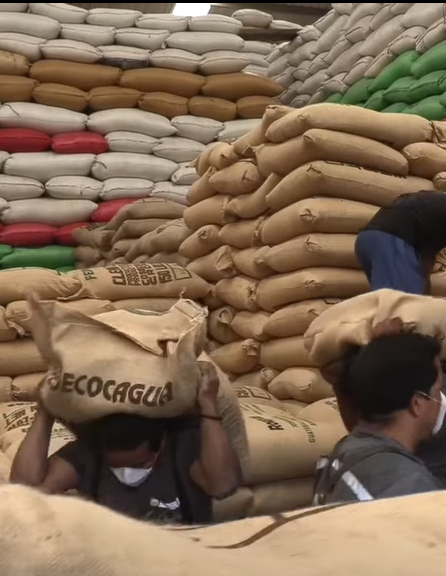
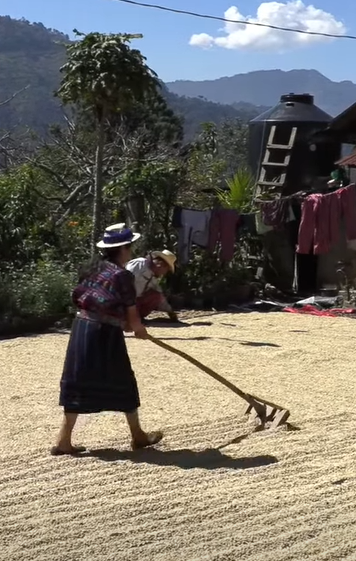
Bringing together a wide network of coffee-growing communities across Guatemala, Fedecocagua is a second-level cooperative representing today around 20,000 smallholder producers. Established in 1969 by a group of organized farmers across regions such as Huehuetenango, San Marcos, and Quetzaltenango, the federation was created to address limited access to financing, technical support, and market opportunities. Formalized in 1971, its early development was supported by international cooperation initiatives, including organizations such as Misereor, and later strengthened through leadership figures like Don Alfredo Hernández and José Ángel López Camposeco, who contributed to consolidating its structure and market presence. A central element of Fedecocagua’s operations is its Beneficio Seco (dry mill), where coffees are carefully prepared for export through processes such as cleaning, sorting, grading, and final selection. This facility plays a key role in ensuring consistency, traceability, and quality control, supported by rigorous internal protocols and recognized certifications. Through this centralized structure, combined with ongoing technical support to producers, the federation maintains a reliable supply of coffees that faithfully reflect the work carried out at origin. Rooted in cooperative values, Fedecocagua continues to work closely with farming families and communities, reinforcing a model that balances market access with social responsibility and respect for the people behind each harvest.

Cupping Notes